Cancer Metastatic

Metastasis is the spread of cancer cells to new areas of the body, often by way of the lymph system or bloodstream. A metastatic cancer, or metastatic tumor, is one that has spread from the primary site of origin, or where it started, into different areas of the body. Tumors formed from cells that have spread are called secondary tumors. The cancer may have spread to areas near the primary site, called regional metastasis, or to parts of the body that are farther away, called distant metastasis.

For more: http://sciaeon.org/cancer-biology-and-clinical-oncology/home

Submit your manuscript: http://sciaeon.org/submit-paper

Contact us: cancerbiology@sciaeonopenaccess.com

Genome Sequencing

Genome sequencing is figuring out the order of DNA nucleotides, or bases, in a genome the order of As, Cs, Gs, and Ts that make up an organism’s DNA. The human genome is made up of over 3 billion of these genetic letters. DNA sequencing on a large scale the scale necessary for ambitious projects such as sequencing an entire genome is mostly done by high-tech machines. Much as your eye scans a sequence of letters to read a sentence, these machines read a sequence of DNA bases.

For more: http://sciaeon.org/cancer-biology-and-clinical-oncology/home

Submit your manuscript: http://sciaeon.org/submit-paper

Contact us: cancerbiology@sciaeonopenaccess.com

Cancer Genomics

The study of the complete set of DNA in a person or other organism. Almost every cell in a person’s body contains a complete copy of the genome. The genome contains all the information needed for a person to develop and grow. Studying the genome may help researchers understand how genes interact with each other and with the environment and how certain diseases, such as cancer, diabetes, and heart disease, form. This may lead to new ways to diagnose, treat, and prevent disease.

For more: http://sciaeon.org/cancer-biology-and-clinical-oncology/home

Submit your manuscript: http://sciaeon.org/submit-paper

Contact us: cancerbiology@sciaeonopenaccess.com
Tumor Marker

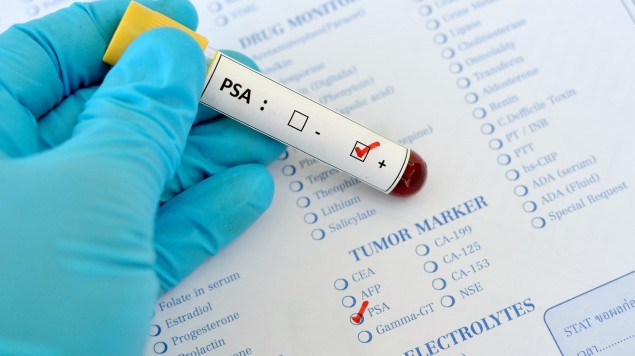
A tumor marker is anything present in or produced by cancer cells or other cells of the body in response to cancer or certain benign conditions that provides information about a cancer, such as how aggressive it is, whether it can be treated with a targeted therapy, or whether it is responding to treatment. Tumor markers have traditionally been proteins or other substances that are made by both normal and cancer cells but at higher amounts by cancer cells. These can be found in the blood, urine, stool, tumors, or other tissues or bodily fluids of some patients with cancer.

For more: http://sciaeon.org/cancer-biology-and-clinical-oncology/home

Submit your manuscript: http://sciaeon.org/submit-paper

Contact us: cancerbiology@sciaeonopenaccess.com
Description: https://womensjournalhealth.files.wordpress.com/2020/03/tumor-marker.jpg?w=635

Aware yourselves

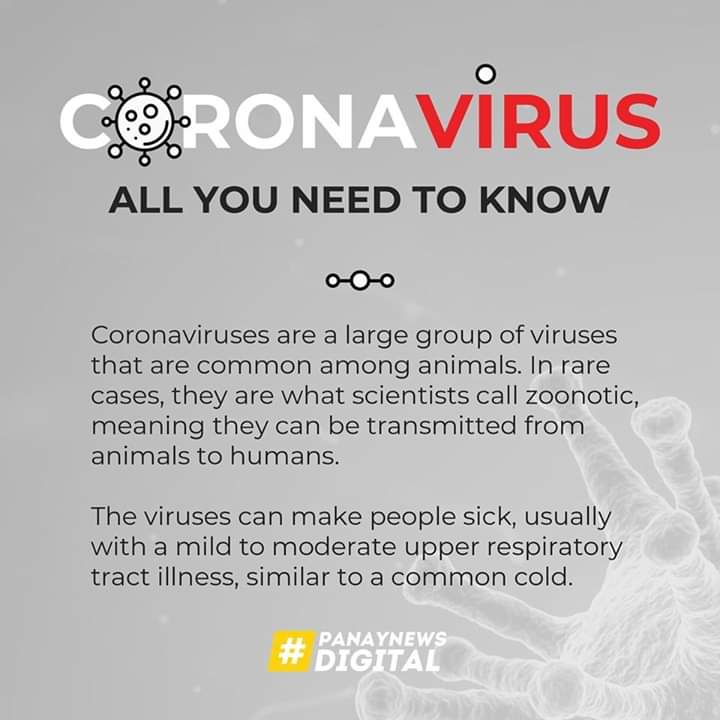
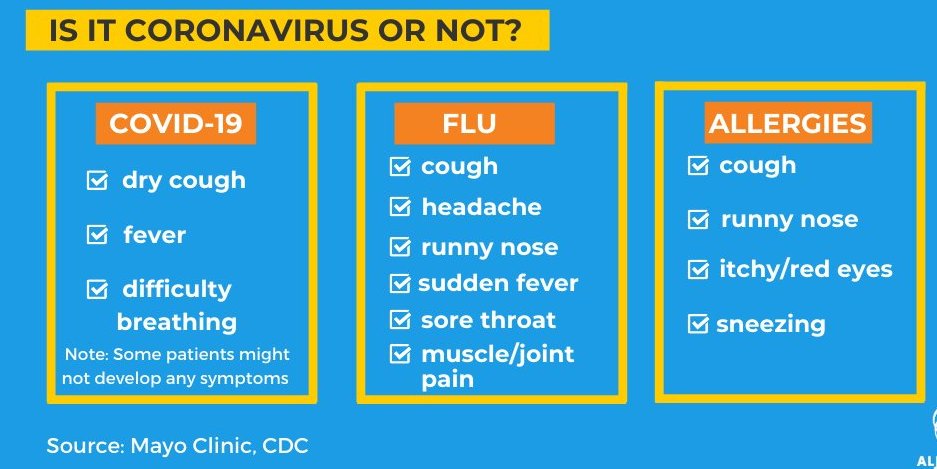
There is currently no #vaccine to prevent #Coronavirus. The best way to prevent #illness is to avoid being exposed to this #virus

For more: http://sciaeon.org/cancer-biology-and-clinical-oncology/home

#coronavirus #corona #coronaalert #coronavirusupdate #quarantine #coronavirusquarantine #covid19 #covid_19 #covid19uk #coronavirusuk #coronavirusitaly #coronaireland #coronausa #coronakills #corona2019 #coronapandemic #coronavirusoutbreak #COVID #coronaviruscanada

Decubitus ulcer

Damage to an area of the skin caused by constant pressure on the area for a long time. This pressure can lessen blood flow to the affected area, which may lead to tissue damage and tissue death. Decubitus ulcers often form on the skin covering bony areas of the body, such as the back, tailbone, hips, buttocks, elbows, heels, and ankles. Patients who are not able to get out of bed or change their position, or who always use a wheelchair have an increased risk of decubitus ulcers. Signs and symptoms include changes in skin color and swelling, warmth, tenderness, and pain in the affected area. If untreated, the skin may crack, blister, or break open and form a sore or ulcer, which may have pus-like drainage. Decubitus ulcers often heal slowly and if not treated can damage tissues deep under the skin, including fat, muscle, and bone. Also called bedsore, pressure sore, and pressure ulcer.

For More: http://www.sciaeon.org/cancer-biology-and-clinical-oncology/home

Manuscript Submissions: http://www.sciaeon.org/cancer-biology-and-clinical-oncology/submit-paper

Contact: cancerbiology@sciaeonopenaccess.com

DBVE-PC regimen

An abbreviation for a chemotherapy combination used with radiation therapy to treat childhood Hodgkin lymphoma. It includes the drugs doxorubicin hydrochloride (Adriamycin), bleomycin sulfate, vincristine sulfate, etoposide, prednisone, and cyclophosphamide. Also called ABVE-PC, ABVE-PC regimen, and DBVE-PC.

For More: http://www.sciaeon.org/cancer-biology-and-clinical-oncology/home

Manuscript Submissions: http://www.sciaeon.org/cancer-biology-and-clinical-oncology/submit-paper

Contact: cancerbiology@sciaeonopenaccess.com