Blog

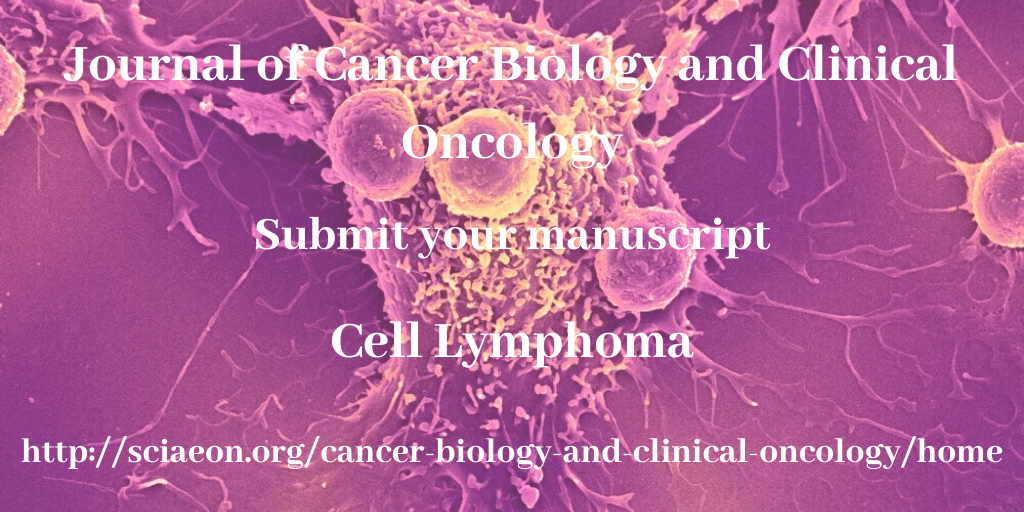
Cell Lymphoma

Lymphoma is a type of cancer that begins in lymphocytes. Lymphocytes are cells in the immune system. Hodgkin’s and non-Hodgkin’s lymphoma are the two main kinds of lymphoma. T-cell lymphoma and B-cell lymphoma are two types of non-Hodgkin’s lymphoma. There’s also a rare type called NK-cell lymphoma. Among people with non-Hodgkin lymphoma, about 85 percent have B-cell lymphoma. Treatment for B-cell lymphomas is based on the specific subtype and stage of disease.
For more: http://sciaeon.org/cancer-biology-and-clinical-oncology/home

Submit your manuscript: http://sciaeon.org/submit-paper

Contact us: cancerbiology@sciaeonopenaccess.com
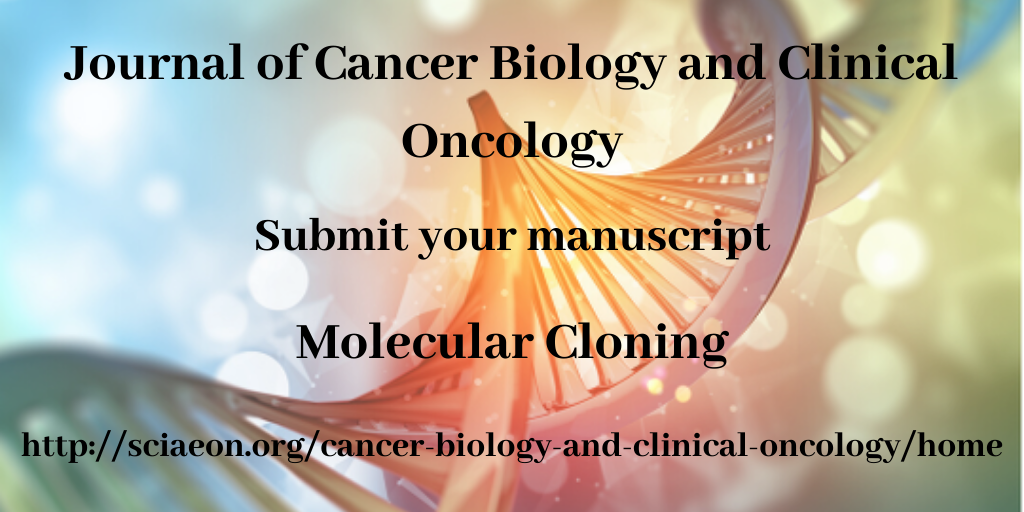
Molecular Cloning

Molecular cloning is a set of methods, which are used to insert recombinant DNA into a vector – a carrier of DNA molecules that will replicate recombinant DNA fragments in host organisms. The DNA fragment, which may be a gene, can be isolated from a prokaryotic or eukaryotic specimen. Following isolation of the fragment of interest, or insert, both the vector and insert must be cut with restriction enzymes and purified. The purified pieces are joined together though a technique called ligation.

For more: http://sciaeon.org/cancer-biology-and-clinical-oncology/home

Submit your manuscript: http://sciaeon.org/submit-paper

Contact us: cancerbiology@sciaeonopenaccess.com
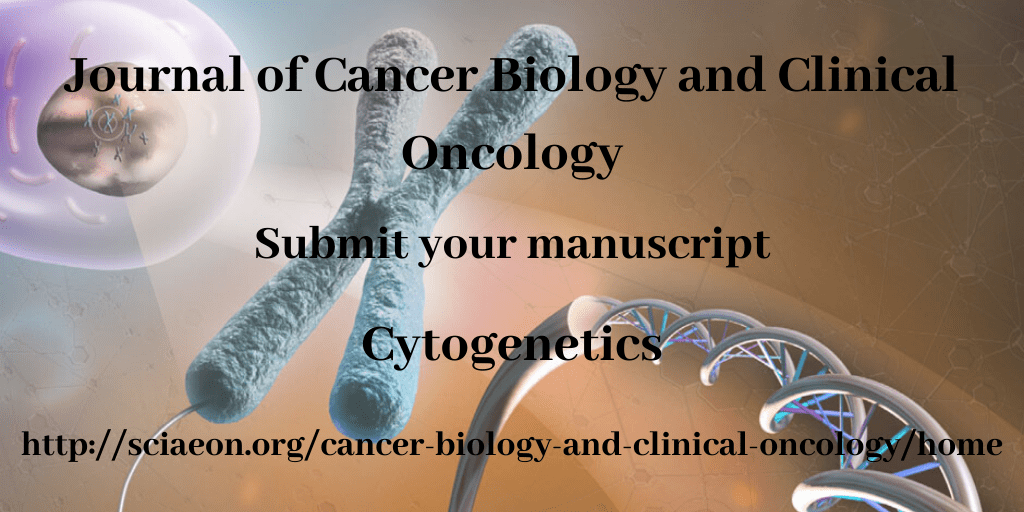
Cytogenetics

The study of chromosomes, which are long strands of DNA and protein that contain most of the genetic information in a cell. Cytogenetics involves testing samples of tissue, blood, or bone marrow in a laboratory to look for changes in chromosomes, including broken, missing, rearranged, or extra chromosomes. Changes in certain chromosomes may be a sign of a genetic disease or condition or some types of cancer. Cytogenetics may be used to help diagnose a disease or condition, plan treatment, or find out how well treatment is working.

For more: http://sciaeon.org/cancer-biology-and-clinical-oncology/home

Submit your manuscript: http://sciaeon.org/submit-paper

Contact us: cancerbiology@sciaeonopenaccess.com
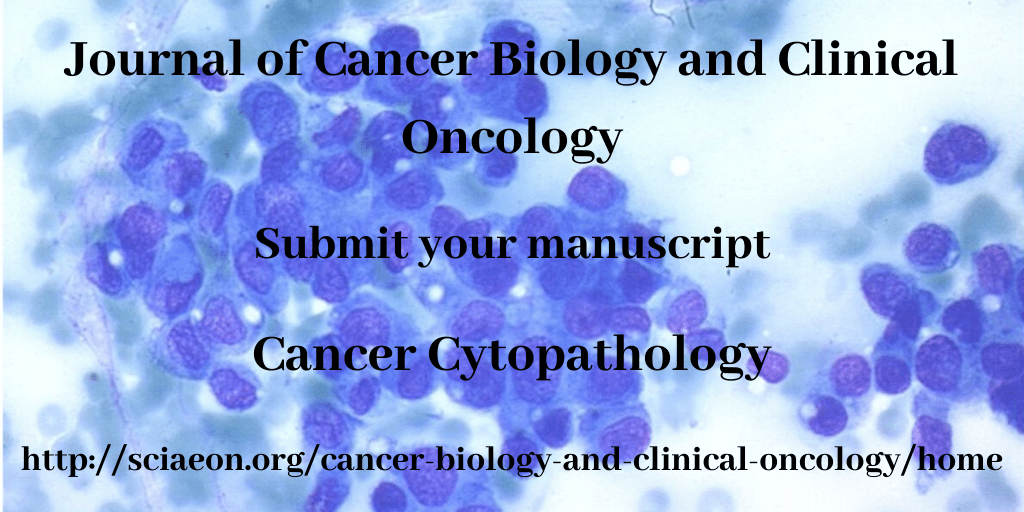
Cancer Cytopathology

Cytopathology is commonly used to investigate diseases involving a wide range of body sites, often to aid in the diagnosis of cancer but also in the diagnosis of some infectious diseases and other inflammatory conditions. Cytopathologic tests are sometimes called smear tests because the samples may be smeared across a glass microscope slide for subsequent staining and microscopic examination.

For more: http://sciaeon.org/cancer-biology-and-clinical-oncology/home

Submit your manuscript: http://sciaeon.org/submit-paper

Contact us: cancerbiology@sciaeonopenaccess.com
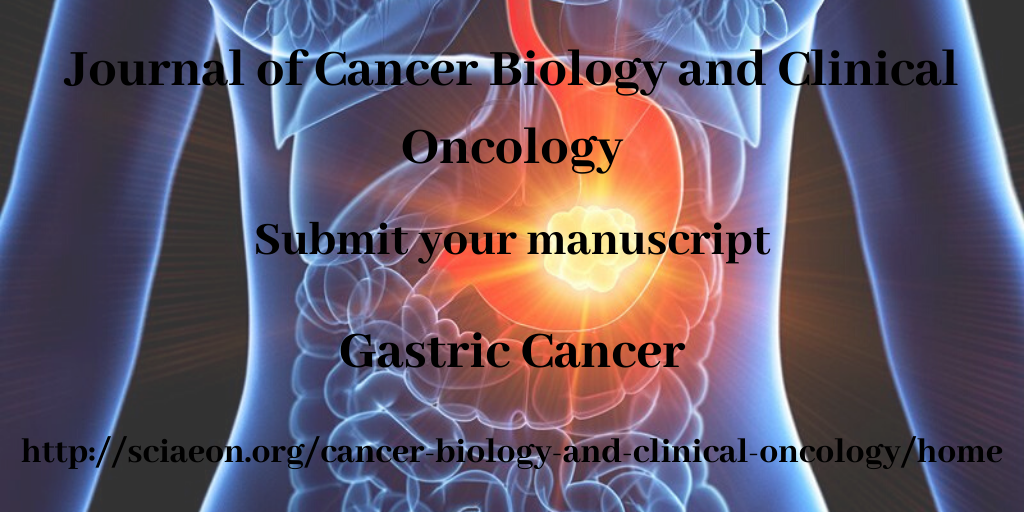
Gastric Cancer

Gastric cancer, or stomach cancer, is cancer of the stomach. Gastric cancer occurs when cells in the lining of the stomach grow uncontrollably and form tumors that can invade normal tissues and spread to other parts of the body. Cancers are described by the types of cells from which they arise. About 90-95% of gastric cancers arise from the lining of the stomach, called adenocarcinoma. There are other cancers that can arise in the stomach, including gastrointestinal stromal tumors, lymphoma and carcinoid tumors, among others.

For more: http://sciaeon.org/cancer-biology-and-clinical-oncology/home

Submit your manuscript: http://sciaeon.org/submit-paper

Contact us: cancerbiology@sciaeonopenaccess.com

Radiation Oncology

Radiation oncology is a medical speciality that involves the controlled use of radiation to treat cancer either for cure, or to reduce pain and other symptoms caused by cancer. Radiation therapy also called radiotherapy is the term used to describe the actual treatment delivered by the radiation oncology team. Preparation for radiation therapy is focused on targeting the radiation dose to the cancer as precisely as possible to minimize side effects and avoid damaging normal cells.

For more: http://sciaeon.org/cancer-biology-and-clinical-oncology/home

Submit your manuscript: http://sciaeon.org/submit-paper

Contact us: cancerbiology@sciaeonopenaccess.com
Molecular Evolution

Molecular evolution is the area of evolutionary biology that studies evolutionary change at the level of the DNA sequence. It includes the study of rates of sequence change, relative importance of adaptive and neutral changes, and changes in genome structure. For evolutionists the revolution in DNA technology has been a major advance. The reason is that the very nature of DNA allows it to be used as a “document” of evolutionary history: comparisons of the DNA sequences of various genes between different organisms can tell us a lot about the relationships of organisms that cannot be correctly inferred from morphology. One definite problem is that the DNA itself is a scattered and fragmentary “document” of history and we have to beware of the effects of changes in the genome that can bias our picture of organismal evolution.

For more: http://sciaeon.org/cancer-biology-and-clinical-oncology/home

Submit your manuscript: http://sciaeon.org/submit-paper

Contact us: cancerbiology@sciaeonopenaccess.com
Genome-Scale Analysis

A high-density transposon mutagenesis strategy was applied to the Haemophilus influenzae genome to identify genes required for growth or viability. This analysis detected putative essential roles for the products of 259 ORFs of unknown function. Comparisons between complete genomes defined a subset of these proteins in H. influenzae having homologs in Mycobacterium tuberculosis that are absent in Saccharomyces cerevisiae, a distribution pattern that favors their use in development of antimicrobial therapeutics. Three genes within this set are essential for viability in other bacteria.

For more: http://sciaeon.org/cancer-biology-and-clinical-oncology/home

Submit your manuscript: http://sciaeon.org/submit-paper

Contact us: cancerbiology@sciaeonopenaccess.com
Systems Biology

Systems biology is the study of biological systems whose behaviour cannot be reduced to the linear sum of their parts’ functions. Systems biology does not necessarily involve large numbers of components or vast datasets, as in genomics or connectomics, but often requires quantitative modelling methods borrowed from physics. It concludes by attempting to define systems biology as the research endeavor that aims at providing the scientific foundation for successful synthetic biology.

For more: http://sciaeon.org/cancer-biology-and-clinical-oncology/home

Submit your manuscript: http://sciaeon.org/submit-paper

Contact us: cancerbiology@sciaeonopenaccess.com

Genomic Medicine

Genomic medicine is rapidly changing the future of medicine. Medical librarians need to understand this field of research and keep current with its latest advancements. Genomic medicine is advancing very quickly, so rapidly that some health care providers lack understanding of the ethical, legal, and social implications that can affect how they practice medicine and share information with their patients in the future. As genomic medicine has expanded beyond the clinic and is now in the hands of the consumer, the need for librarians to become knowledgeable in this area has expanded beyond hospital and even medical libraries.

For more: http://sciaeon.org/cancer-biology-and-clinical-oncology/home

Submit your manuscript: http://sciaeon.org/submit-paper

Contact us: cancerbiology@sciaeonopenaccess.com