Transcriptomics is the study of the transcriptome the complete set of RNA transcripts that are produced by the genome, under specific circumstances or in a specific cell using high-throughput methods, such as microarray analysis. Comparison of transcriptomes allows the identification of genes that are differentially expressed in distinct cell populations, or in response to different treatments.
A proteome is the set of proteins thought to be expressed by an organism. The majority of proteomes is based on the translation of a completely sequenced genome, and will normally include sequences that derive from extra-chromosomal elements such as plasmids or organelle genomes in organisms where these occur. Some proteomes may also include protein sequences based on high quality cDNAs that cannot be mapped to the current genome assembly due to sequencing errors or gaps. The proteome of a species or an organ. The proteome is not constant; it differs from cell to cell and changes over time.
The epigenome is a multitude of chemical compounds that can tell the genome what to do. The human genome is the complete assembly of DNA about 3 billion base pairs – that makes each individual unique. DNA holds the instructions for building the proteins that carry out a variety of functions in a cell. The epigenome is made up of chemical compounds and proteins that can attach to DNA and direct such actions as turning genes on or off, controlling the production of proteins in particular cells.
Proteomics has evolved from genomics and the successful sequencing and mapping of the genomes of a wide variety of organisms, including humans. Genomics involves using reagents, tools and technologies for the high throughput sequencing of DNA and the subsequent storage and annotation of the data. This process is complex and focuses on the information of one target molecule, DNA, in the nucleus of cells. Consequently, there is one genome for each organism.
Radiation therapy is a cancer treatment that uses high doses of radiation to kill cancer cells and shrink tumors. At low doses, radiation is used in x-rays to see inside your body, as with x-rays of your teeth or broken bones. Radiation therapy kills cancer cells or slows their growth by damaging their DNA. Cancer cells whose DNA is damaged beyond repair stop dividing or die. When the damaged cells die, they are broken down and removed by the body. Radiation therapy is used to treat cancer and ease cancer symptoms. When used to treat cancer, radiation therapy can cure cancer, prevent it from returning, or stop or slow its growth. When treatments are used to ease symptoms, they are known as palliative treatments. External beam radiation may shrink tumors to treat pain and other problems caused by the tumor, such as trouble breathing or loss of bowel and bladder control. Pain from cancer that has spread to the bone can be treated with systemic radiation therapy drugs called radio-pharmaceuticals.
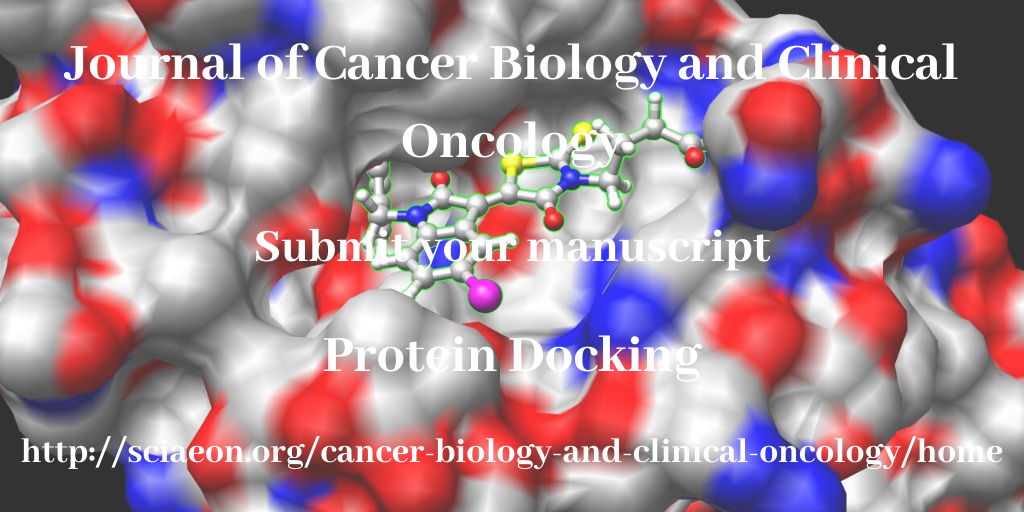
Protein-docking is a molecular modeling problem which aims to predict, with computer science algorithms and techniques, the mutual orientation and position of two molecules forming a complex. One of the molecules is a protein, the other could be another protein, a nucleic acid chain or a smaller molecule. Many techniques are described in literature, some of which restrict the starting hypotheses in order to cut the research space and obtain a solution more efficiently.
A microarray is a laboratory tool used to detect the expression of thousands of genes at the same time. DNA microarrays are microscope slides that are printed with thousands of tiny spots in defined positions, with each spot containing a known DNA sequence or gene. To perform a microarray analysis, mRNA molecules are typically collected from both an experimental sample and a reference sample. For example, the reference sample could be collected from a healthy individual, and the experimental sample could be collected from an individual with a disease like cancer.
Cancer biomarkers are biomolecules produced either by the tumor cells or by other cells of the body in response to the tumor. Every cell type has its unique molecular signature and identifiable characteristics such as levels or activities of myriad of genes, proteins, or other molecular features; therefore, biomarkers can facilitate the molecular definition of cancer.
Pathophysiology is a convergence of pathology with physiology. Pathology is the medical discipline that describes conditions typically observed during a disease state, whereas physiology is the biological discipline that describes processes or mechanisms operating within an organism. Pathology describes the abnormal or undesired condition, whereupon pathophysiology seeks to explain the physiological processes or mechanisms whereby such condition develops and progresses. Pathophysiology can also mean the functional changes associated with or resulting from disease or injury.








 Journal of Cancer Biology and Clinical Oncology